If you’ve been waiting for the right moment to buy a used electric vehicle in Massachusetts, this is it.
The used EV market is experiencing an unprecedented supply surge in 2026. Prices on quality pre-owned electric cars have dropped 15-25% compared to just six months ago, and dealerships across Massachusetts are sitting on inventory they need to move. Meanwhile, many buyers are hesitating, unsure if EVs can handle Massachusetts winters or worried about range anxiety.
Here’s what that means for smart Walpole buyers: You have a brief window to lock in deals on vehicles that were out of reach last year. But this won’t last. As inventory normalizes and gas prices climb again, expect these same EVs to cost $3,000-$7,000 more by fall.
In this guide, you’ll discover which used EVs offer the best value for Massachusetts drivers, how to navigate the buying process without getting burned, and why working with a local broker who understands both the market and Walpole winters can save you thousands.
Why the Used EV Market Is Flooded Right Now
Three major factors created the perfect storm:
1. Lease returns from 2021-2023 are maturing. During the pandemic EV buying surge, thousands of Massachusetts residents leased EVs. Those 36-month leases are now ending, dumping quality used inventory onto the market faster than dealerships expected.
2. New EV incentives are stealing attention. Updated federal tax credits and Massachusetts state rebates make new EVs more attractive than ever. Buyers who would normally shop used are going straight to new inventory, leaving used models sitting longer.
3. Range anxiety is still scaring off uninformed buyers. Despite modern EVs easily handling Massachusetts commutes and winter weather, misconceptions persist. This creates opportunity for educated buyers who know what to look for. Hire our local car broker near Walpole.
The 5 Best Used EVs Under $35K for Massachusetts Winters (2026 Edition)
The best used EV deals in Walpole, MA (2026) include:
- Chevrolet Bolt EUV ($18K–$26K)
- Hyundai Kona Electric ($21K–$28K)
- Kia Niro EV ($22K–$29K)
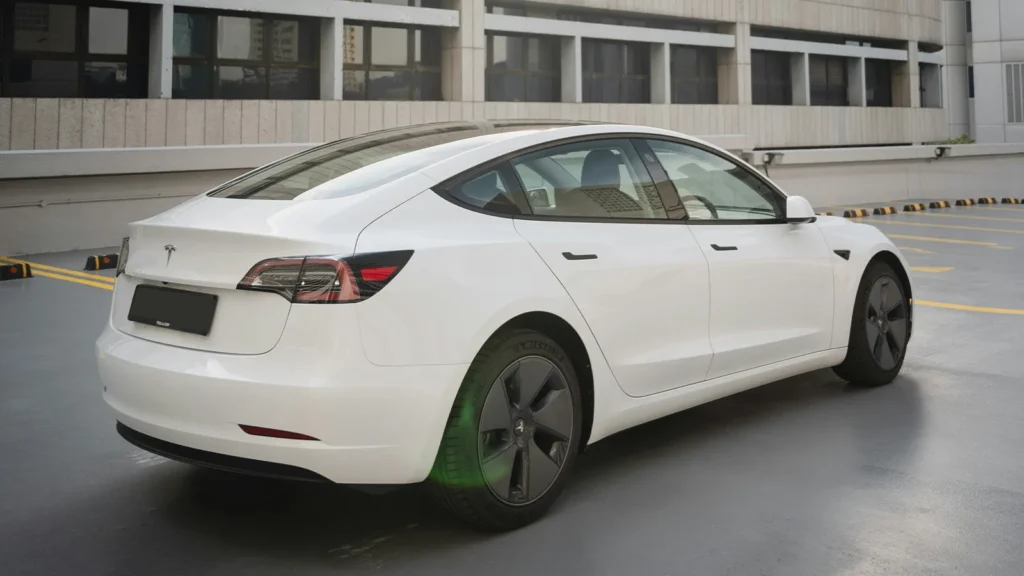
- Tesla Model 3 ($24K–$32K)
- Nissan Leaf Plus ($17K–$24K)
Not all electric vehicles handle cold weather equally. Here’s what actually performs well in Walpole, and what you should avoid.
1. 2021-2023 Chevrolet Bolt EV/EUV ($18,000-$26,000)
Why it’s perfect for MA: The Bolt uses liquid-cooled battery thermal management, which maintains performance in freezing temps. Real-world winter range: 200-220 miles in sub-30°F weather.
Sweet spot: 2022 Bolt EUV Premier with heated seats and wheel, SuperCruise (GM’s hands-free driving), and the battery recall fix already completed. Expect to pay $23,000-$25,000.
Watch out for: Early 2020 models had battery fire recalls. Only buy 2022+ or verify the battery replacement was completed.
2. 2020-2022 Hyundai Kona Electric ($21,000-$28,000)
Why it’s perfect for MA: Exceptional cold-weather performance thanks to battery heating systems. Compact size makes it ideal for Walpole’s tighter streets and winter parking. EPA range of 258 miles translates to realistic 180-200 miles in January.
Sweet spot: 2021 Limited trim with full driver assist suite and heated everything. Around $24,000 with under 40,000 miles.
Watch out for: Some units had slow DC fast-charging speeds. Test the charging if you plan road trips.
3. 2019-2021 Nissan Leaf Plus ($17,000-$24,000)
Why it works (with caveats): Incredible value for in-town driving. The Plus model’s 62 kWh battery gives genuine 190-mile winter range.
Sweet spot: 2020 Leaf SL Plus around $20,000. Comfortable, reliable, loaded with tech.
Watch out for: Nissan uses passive air cooling (no liquid thermal management). This means faster battery degradation in extreme heat, but Massachusetts climate is actually ideal. Avoid if you live in hot states, but perfect for Walpole, MA. Also, CHAdeMO charging standard is becoming obsolete, fine for local use, limiting for long trips.
4. 2020-2022 Kia Niro EV ($22,000-$29,000)
Why it’s perfect for MA: Same excellent platform as the Kona but with more cargo space. Battery thermal management keeps winter range predictable. One of the most “normal car” feeling EVs, no learning curve.
Sweet spot: 2021 EX Premium with 64 kWh battery. Expect 200+ winter miles and a purchase price around $25,000.
Watch out for: Tire pressure sensors are oversensitive to cold, totally normal, just recalibrate in winter.
5. 2019-2021 Tesla Model 3 Standard Range Plus ($24,000-$32,000)
Why it’s compelling: Tesla’s Supercharger network is unmatched for Massachusetts road trips. Over-the-air updates mean the car improves over time. Excellent winter traction with dual-motor AWD versions.
Sweet spot: 2020 Model 3 Standard Range Plus with around 50,000 miles, priced at $26,000-$28,000. You get 220 miles of real-world winter range and access to the Supercharger network.
Watch out for: Repair costs can be higher. Have a pre-purchase inspection done at a Tesla-certified shop. Also, older software versions may lack some newer safety features, check which version it’s running.
Why You Should Buy Before Summer 2026
- Inventory already shrinking
- Gas prices typically rise in summer
- Dealers adjusting pricing upward monthly
What Makes an EV Actually Good for Massachusetts Winters?
Forget the myths. Here’s what really matters:
Battery thermal management: Liquid-cooled systems (Bolt, Kona, Niro, Tesla) maintain consistent performance. Passive cooling (Leaf) works fine in MA but degrades faster in hot climates.
Heat pump vs. resistive heating: Heat pumps (newer Teslas, some Hyundais) are 2-3x more efficient at cabin heating, preserving 15-20% more range in winter. Resistive heating works but drains the battery faster.
Ground clearance and traction control: Massachusetts gets slush, not powder. Any EV with good tires and traction control handles winter fine. AWD is nice but not essential, the Bolt and Leaf are FWD and do great.
Realistic range expectations: Expect to lose 20-30% range in sub-freezing temps. A car rated for 250 miles will realistically give you 175-200 in January. Plan accordingly. Get in touch with our expert car buyers for free consultation.
How Our Walpole Broker Service Finds Hidden Deals Others Miss
Here’s the problem most buyers face: The best used EV deals aren’t at traditional dealerships. They’re private-party sales, off-lease vehicles, and dealer trade-ins that never hit the lot.
We negotiate on your behalf by:
- Accessing dealer-only auctions where prices are 10-15% below retail
- Monitoring lease maturity schedules to identify vehicles before they’re publicly listed
- Negotiating private-party purchases so you avoid the emotional back-and-forth (and overpaying)
- Coordinating pre-purchase inspections with EV-certified mechanics who check battery health, not just tire tread
Real example: Last month, we helped a Walpole family find a 2021 Kia Niro EV with 28,000 miles for $22,500, $4,200 below KBB value. The car was a dealer trade-in that hadn’t been detailed yet. We had it inspected, negotiated based on minor cosmetic issues, and they drove home the same week.
You save time, stress, and an average of $2,800 compared to buying retail.
Success Story: The Martinez Family’s EV Journey
The situation: The Martinez family from Walpole was spending $450/month on gas commuting to Boston. They wanted an EV but were terrified of winter range and didn’t trust dealership sales tactics.
What we did:
- Assessed their actual driving needs (78-mile daily roundtrip commute)
- Identified a 2021 Chevy Bolt EUV Premier with 31,000 miles
- Negotiated from $26,800 asking to $24,200 final price
- Arranged pre-delivery charging setup at their home
- Connected them with Mass Save rebates for home charger installation
The result: They’re now spending $45/month charging at home (off-peak rates), saving $405/month. The car handles their commute with range to spare, even in February. Total savings over three years: $14,580 in fuel alone, plus lower maintenance costs.
Common Mistakes Massachusetts EV Buyers Make (And How to Avoid Them)
Mistake #1: Buying based on EPA range rather than real-world winter range.
Fix: Assume 70-75% of EPA range in winter. A 250-mile EPA car = 175-190 realistic winter miles.
Mistake #2: Ignoring Battery Health Reports
Fix: Always request a battery state-of-health check. Anything above 85% is OK for a 3-5 year old EV. Below 80% means accelerated degradation.
Mistake #3: Not Understanding Home Charging Costs
Fix: National Grid and Eversource offer time-of-use rates. Charging overnight costs about $1.20 per 100 miles vs. $12-15 for gas. Do the math based on your actual driving.
Mistake #4: Overpaying Because “It’s Electric”
Fix: EVs depreciate faster initially, then level off. A 3-year-old used EV should cost 40-50% of its original MSRP, not 70%.
Mistake #5: Skipping the Test Drive in Cold Weather
Fix: Test drive in realistic conditions. Turn on the heat full blast and note the range drop. This is your real-world experience.
Key Takeaways
✅ The 2026 used EV market is a buyer’s paradise, but only for the next 3-6 months
✅ Best values under $35K: Chevy Bolt EUV, Hyundai Kona Electric, Kia Niro EV
✅ Massachusetts winters are totally manageable with liquid-cooled batteries and realistic range expectations
✅ Working with a broker saves $2,000-$5,000 by accessing off-market inventory
✅ Battery health matters more than mileage, always get it checked
✅ Home charging costs about 1/10th of gas on Mass time-of-use electric rates
Frequently Asked Questions
Will a used EV really handle Massachusetts winter?
Yes, if you choose the right model. Vehicles with liquid-cooled thermal management (Bolt, Kona, Niro, Tesla) maintain 70-80% of their range in sub-freezing temps. That’s still 180-220 miles for most models, which easily covers daily MA commutes. Pre-condition the cabin while plugged in at home and you’ll barely notice range loss.
How much does it cost to charge an EV at home in Massachusetts?
On National Grid or Eversource time-of-use rates, expect $35-50/month for the average driver (1,000 miles). That’s charging overnight when electricity is cheapest. Compare that to $180-250/month in gas for a similar commute.
Should I buy a used Tesla or go with Chevy/Hyundai/Kia?
Tesla offers the best road-trip experience due to Superchargers, better software, and over-the-air updates. However, Chevy/Hyundai/Kia models cost $3,000-$6,000 less used, have lower repair costs, and work great for in-state driving. If 90% of your trips are local, save the money and go Korean or domestic.
What’s the real range I’ll get in January in Boston?
For popular models: Bolt EUV (200-220 mi), Kona Electric (180-200 mi), Niro EV (190-210 mi), Tesla Model 3 SR+ (200-230 mi), Nissan Leaf Plus (170-190 mi). These are real-world winter figures with heat on.
How do I know if a used EV’s battery is still good?
Request a battery state-of-health (SOH) report from a certified EV mechanic. Above 90% is excellent for a 2-3 year old car. 85-90% is good. 80-85% is acceptable if priced accordingly. Below 80% on a car under 5 years old is a red flag.
Can I charge at home if I don’t have a garage?
Yes, but it’s trickier. A weatherproof outdoor outlet with a 240V connection works fine. You’ll need an electrician to install it properly ($800-1,500). Many Walpole homes have existing outdoor 240V for pools or workshops that can be adapted. Alternatively, Massachusetts has expanding public charging infrastructure.
Don’t Wait, The Market Is Already Shifting
Used EV prices bottomed out in early 2026. We’re already seeing upward pressure as savvy buyers snap up inventory. By summer, expect prices to climb $2,000-$4,000 as supply tightens and gas prices rise seasonally.
Here’s your next step:
Find Your Ideal EV in 48 Hours
Tell us:
- Budget
- Range needs
- Preferred models
We’ll:
- Find 3–5 below-market deals
- Negotiate pricing
- Handle inspections
No obligation. No pushy sales tactics. Just real expertise helping Walpole families save money and drive electric. The best used EV deals in Massachusetts history won’t last forever. Let’s find yours before they’re gone.